When people first begin exploring sober living homes, they often picture the traditional model: shared bedrooms, rotating chores, limited structure, and a largely peer-run environment. These ¾ houses serve an important purpose—but they aren’t always the right fit for someone who wants privacy, professionalism, and a higher level of support during early recovery.
At The Cedar House, we’ve built a completely different kind of sober living experience—one designed for working professionals, executives, entrepreneurs, and individuals who need comfort, accountability, and stability while rebuilding their lives. Here’s how we stand apart.
1. Privacy and Comfort vs. Shared Spaces
Typical sober living:
Most ¾ houses operate with shared bedrooms, shared bathrooms, and dorm-style living. Privacy is limited, and the environment can sometimes feel chaotic or crowded.
The Cedar House:
Every client has a private suite with a private bathroom—no exceptions. We believe that dignity and personal space support better outcomes. Clients have room to work remotely, decompress, and recharge without constant noise or interruptions.
2. Structured Support vs. Peer-Run Accountability
Typical sober living:
Many traditional homes are minimally staffed—sometimes only during the day, or not at all. Accountability is often peer-driven, and structure varies widely.
The Cedar House:
We offer 24/7 staffing, ensuring safety, support, and accountability around the clock. This includes professional monitoring, compassionate guidance, and immediate response if a client needs help, transportation, or assistance with an issue.
You’re never left to figure things out alone.
3. Professional Sober Coaching vs. Basic Check-Ins
Typical sober living:
Some homes may provide check-ins or require meeting attendance, but deeper recovery support is often left to outside providers.
The Cedar House:
Every client receives individual sober coaching focused on goals, mindset, relapse prevention, identity rebuilding, and reintegration into work and life. Coaching is customized, practical, and ongoing. This is one of our core strengths—true high-touch support, not just supervision.
4. Chef-Prepared Dinners and Meals Included vs. Groceries on Your Own
Typical sober living:
Residents often buy their own food, cook for themselves, or rely on shared chore rotations. Meals can be inconsistent, especially for those still developing life skills.
The Cedar House:
We provide all food—with dinners professionally prepared—so clients can focus fully on recovery, work, and health. Clients can still cook for themselves if they choose, but nourishment is guaranteed.
5. Weekly Outings, Cultural Experiences & City Exploration
Typical sober living:
Outings are generally limited or self-organized among housemates.
The Cedar House:
Every week, we host structured outings in the city—from restaurants and art events to nature excursions, sporting events, and community activities. These experiences help clients rebuild sober fun, social confidence, and a sense of belonging in real life.
6. A Robust Holistic Program vs. Occasional Wellness Activities
Typical sober living:
Some homes offer a single weekly group or partner with outside resources, but holistic care is not always integrated.
The Cedar House:
We believe recovery is physical, mental, emotional, and spiritual. Our holistic program includes:
- Sound baths
- Yoga
- Outdoor adventures and eco-based recovery activities
- Mindfulness practices
- In-house groups such as SMART Recovery, Recovery Dharma, and book club
This is whole-person healing—not just housing.
7. Transportation and Appointment Accompaniment
Typical sober living:
Residents usually arrange their own transportation and attend appointments alone.
The Cedar House:
We offer full transportation support, including accompaniment to medical, legal, or professional appointments when needed. For clients navigating complicated situations, this support can make all the difference.
8. Strong Alumni Community
Typical sober living:
Some houses have alumni connections, but involvement varies.
The Cedar House:
We regularly host alumni events where current and former clients connect, share experiences, and build authentic sober relationships. Our alumni family is tight-knit, welcoming, and a powerful source of inspiration for clients still early in their journey.
9. Designed for Professionals Who Need Stability and Respect
Typical sober living:
The environment can be unpredictable, noisy, and not ideal for those who still need to work, attend virtual meetings, or maintain a professional image.
The Cedar House:
Everything we do—from private suites to curated experiences—is built to support professionals who want to maintain dignity, momentum, and balance while building a strong foundation in recovery.
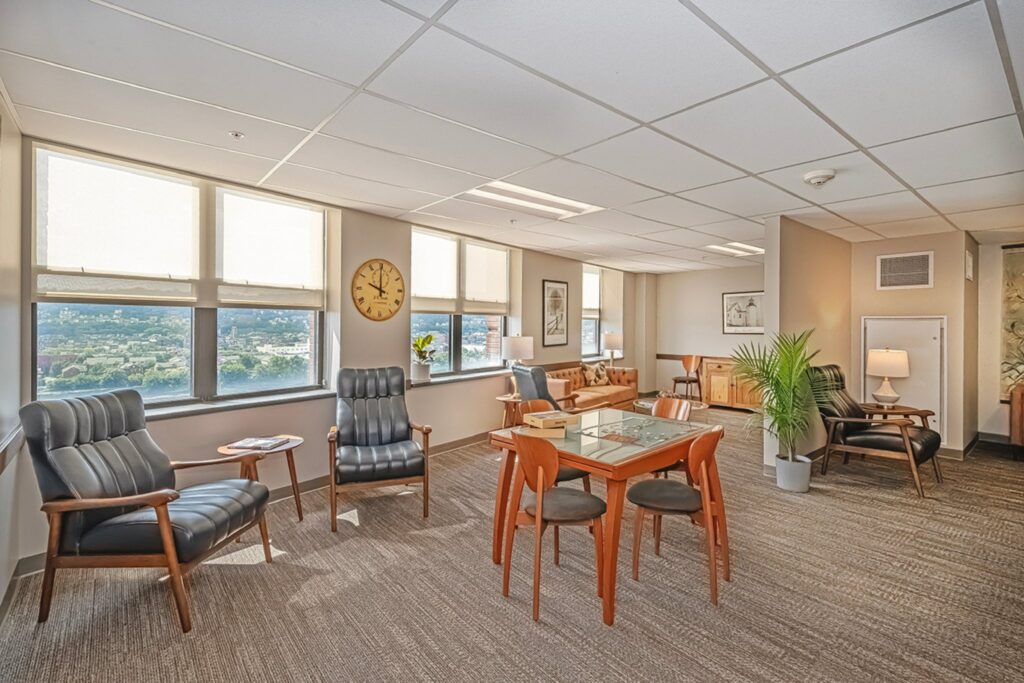
Our environment is calm, structured, and supportive—an ideal bridge between treatment and full independence.
Why This Matters
Recovery is deeply personal. Some people thrive in traditional sober living settings. But for others—especially professionals who need privacy, stability, and higher levels of guidance—those settings can actually hinder progress.
Leave a Reply