Recovery doesn’t end after treatment. Learn how sober living bridges the gap between rehab and real life—and why that transition matters most.
I’ve spent years working in both inpatient treatment and sober living, and one thing is clear: the transition between the two—and especially what comes after—is where everything either starts to stick… or fall apart. Inpatient treatment typically lasts 28–45 days. For most people, that timeline isn’t based on readiness—it’s based on insurance. When someone leaves, they’re usually given one of two options: go home or move into sober living while continuing outpatient care. But here’s the reality: 30 days alone is rarely enough to build a sustainable life in recovery. That’s where sober living comes in.
The Space Between Structure and Independence
At The Cedar House, the average stay is around six months. But unlike treatment, there’s no fixed timeline—and that’s by design. Because recovery doesn’t follow a calendar, it follows progress. We’re often the last stop before someone is fully back on their own. And that next step—figuring out when and how to transition—is rarely simple.Sometimes a spouse isn’t ready because trust hasn’t been rebuilt. And sometimes the fear of relapse is still very real—and for good reason. So instead of forcing a big leap, we take a gradual approach. A night at home turns into a weekend. A weekend turns into several days. Over time, people begin to reintegrate into their lives. Most of the time, it goes well.
Sometimes it doesn’t. That doesn’t mean starting over—it means stepping back, understanding what happened, and adjusting the plan. That’s the work.
Recovery Is Bigger Than the Individual
We work closely with families throughout the process because they’re part of the system that needs to heal too. That often includes regular check-ins, honest conversations, and, when needed, bringing in outside support like family or couples counseling. Some of the work goes beyond what coaching alone can solve. And almost always, this process takes longer than people expect. But when everyone stays engaged—when both the resident and the family are doing their work—real change starts to take hold.
There Is No “Typical” Resident
If there’s one thing I’ve learned, it’s that no two paths look the same. Some of our residents are older adults who don’t have a stable home to return to. In those cases, we may be helping them explore longer-term living options while they stay engaged in recovery, medical care, and building community. Others are professionals whose lives looked solid on the outside—until addiction caught up with them. They often arrive already working to rebuild careers, repair relationships, and figure out what a healthier version of success actually looks like. And then there are young adults who had a strong foundation but got derailed. In those situations, we’re often working closely with families while also helping the individual develop a sense of ownership over their life, sometimes for the first time. What helps most isn’t pressure—it’s a balance of structure and autonomy.
Sometimes that means stepping in.
Sometimes that means stepping back.
Either way, the goal is the same: helping them choose what comes next, rather than being pushed into it.
What Happens After Matters Most
One of the biggest mistakes people make is thinking the work is done when someone leaves sober living. In reality, that’s when things get tested. That’s why we continue working with residents after they leave through our Recovery Support Services. That support includes:
- Daily sobriety monitoring
- Weekly coaching sessions
- Ongoing connection through dinners and outings
We typically recommend staying connected for about a year, because having structure during that first year can make all the difference. Sobriety monitoring, especially, becomes a powerful tool. It creates accountability while also removing the tension from families who no longer have to question or second-guess their loved one’s sobriety.
No Straight Line, No Easy Answer
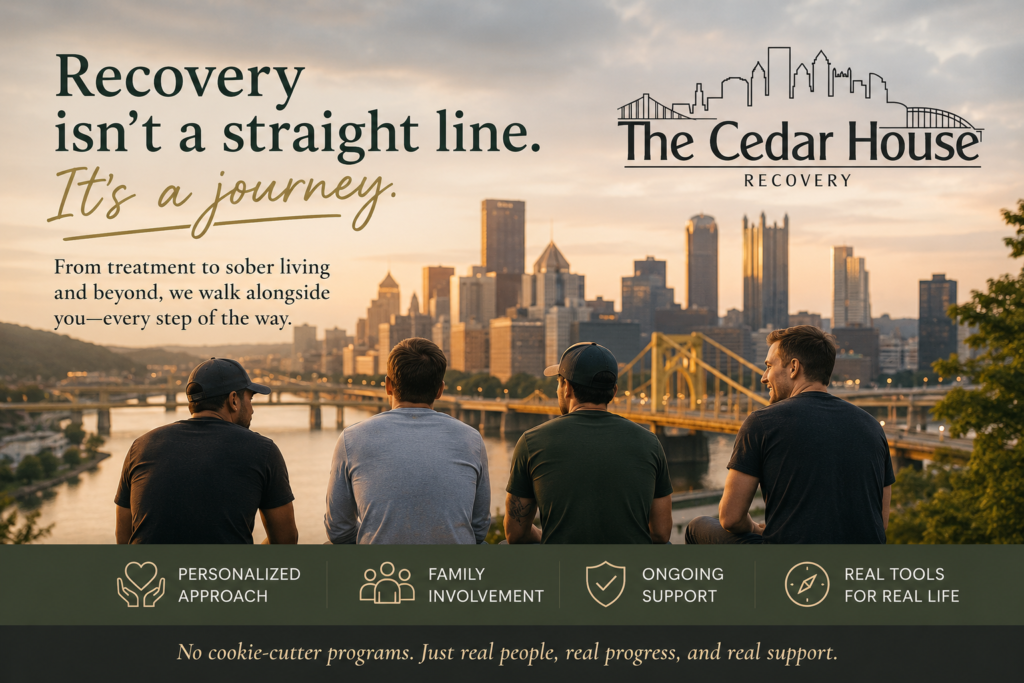
There’s no perfect timeline for recovery. No formula that works for everyone. What we do at The Cedar House is adjust in real time—based on the person, the family, and what’s actually happening. It’s not cookie-cutter. It’s not always clean, but it’s real and we’re often working with people at one of the most important turning points of their lives.
The Only Rule We Don’t Break
I tell families this all the time:
“I’m not exactly sure where we’re going—but we’re not going back. Hold the boundary, because you didn’t put in all this time, energy, and effort just to return to where things were.”
The stakes are high. Lives, families, futures—they’re all on the line. That’s why we don’t rush it and we don’t walk away from it. We adjust when we need to and we see it through—until forward isn’t fragile anymore… it’s real.
Leave a Reply